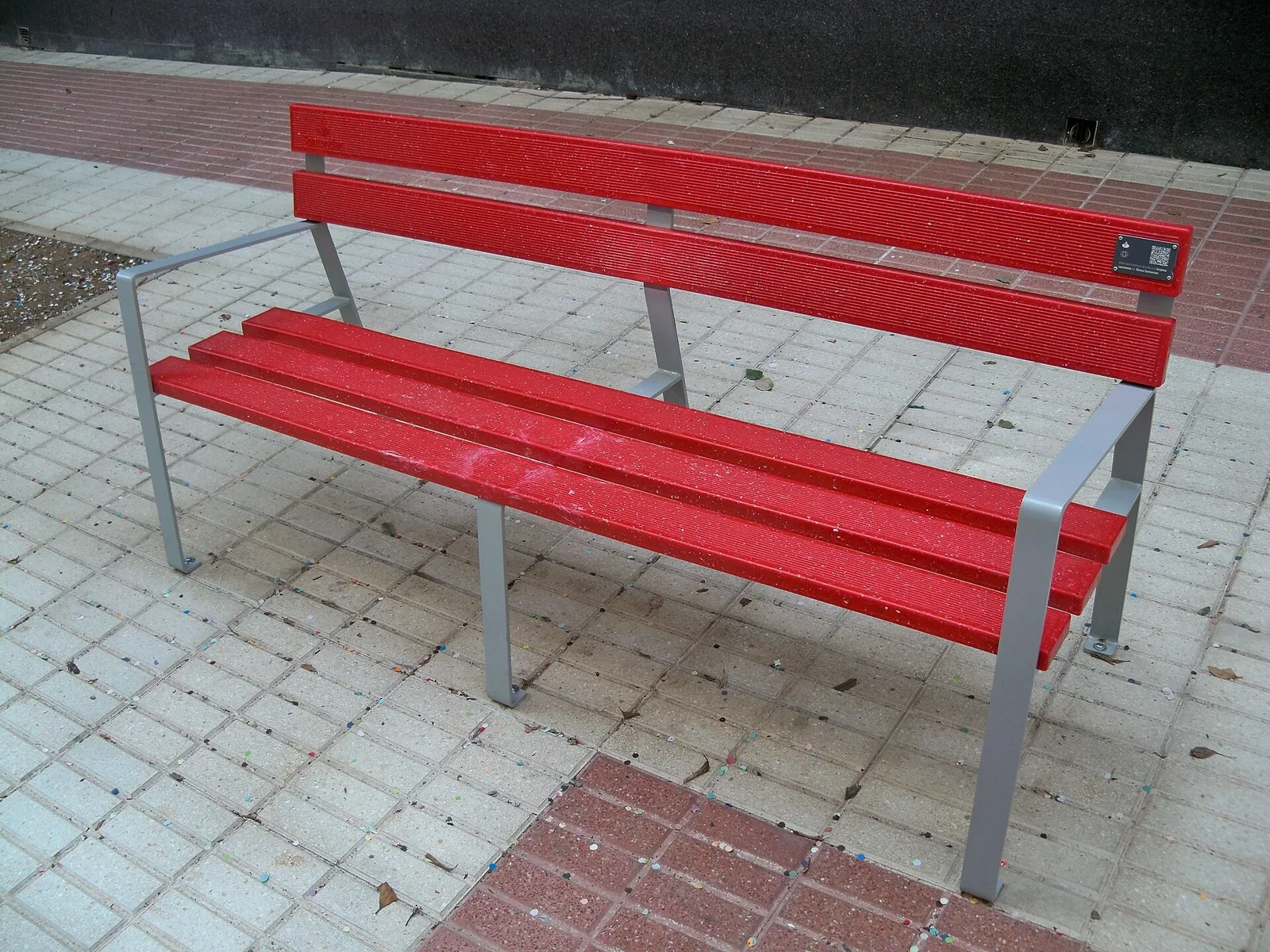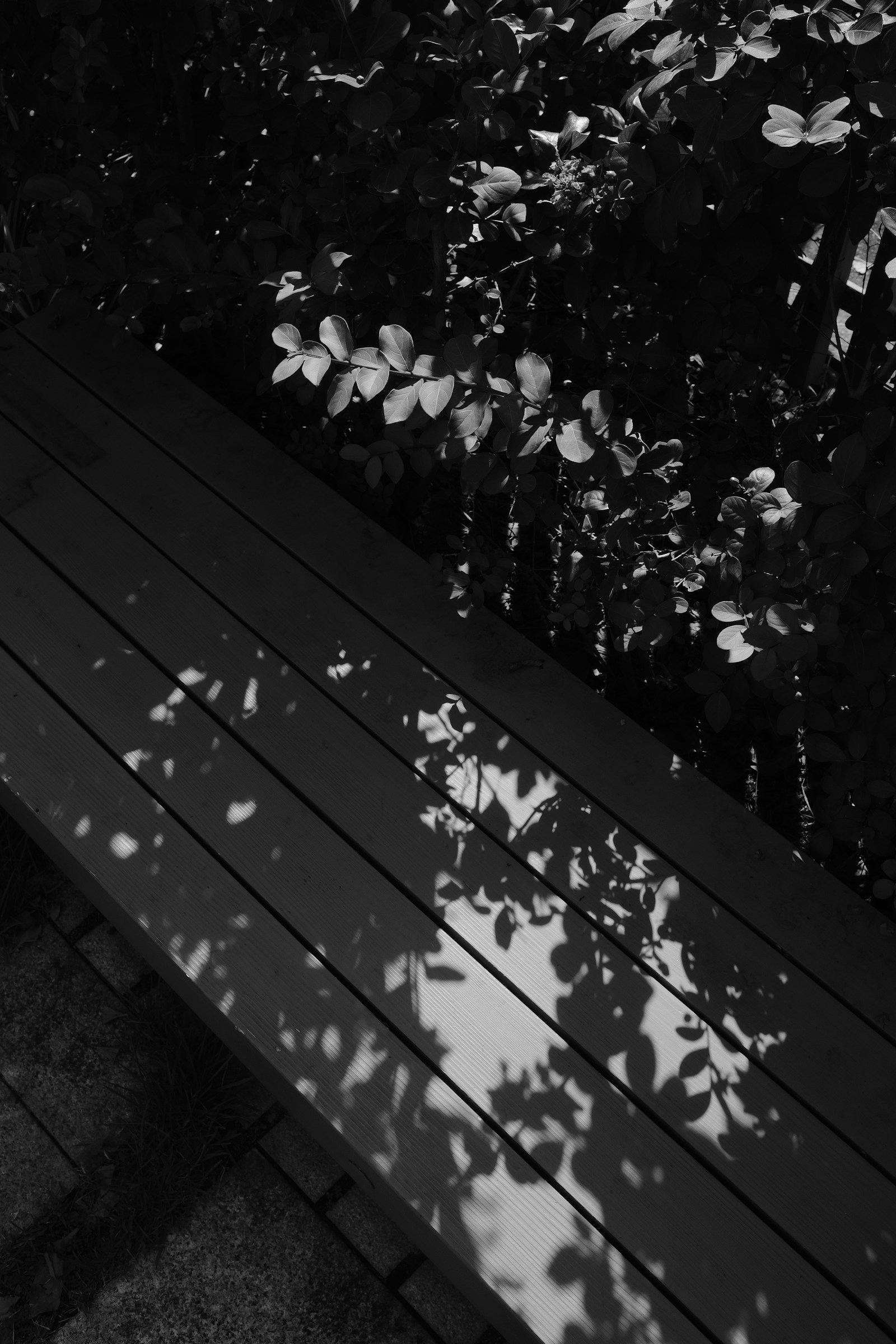
Begin with the hour you want to be outside
The right position for a garden seat depends on the moment you imagine using it. Morning coffee, lunch with friends and a late-afternoon pause are three different briefs. A spot that looks inviting during a spring inspection may feel quite different at the time you usually get home.
Start with one ordinary activity and a realistic time of day. Then observe that part of the garden on more than one day, noting the date as well as the time. A photograph records where a shadow fell; it does not show how long it stayed or whether the seat felt comfortable.
Your Home’s landscaping guidance treats planting as part of the site’s shade, shelter, habitat and views. That is a useful reason to assess existing trees before selecting furniture or drawing a new paved area.
Make a simple observation sheet
Sketch the house, boundaries, large plants and two possible seating positions. You do not need a measured landscape plan for this first exercise. At each position, record whether the seat and your face would be in direct sun, filtered light or shade at the hour you care about.
Add observations that a sun-path diagram cannot provide: wind moving around a corner, glare from a pale wall, a noisy service area or a view blocked when you sit down. Take the photographs from seated height as well as standing height.
Repeat the exercise later in the season. Your Home explains that effective shading depends on sun angle, orientation and climate. A spring observation is a starting point, not evidence that the same patch will work throughout summer and winter.
Test the place with a movable chair
Borrow a chair from elsewhere and sit in each candidate position for the length of a cup of tea. Bring the book, laptop or breakfast plate you expect to use. Notice whether you keep shifting to avoid glare or whether the view is more interesting from a slightly different angle.
Try the route from the house while carrying something. A seat can be comfortable in isolation but awkward to reach, particularly if its approach becomes narrow when nearby doors or gates are open.
For a shared seating area, repeat the trial with another person. The place where one chair fits easily may not work when two people need to face each other and pass behind the seats.
Let the test shape the permanent work
Write down what needs to change before choosing the product: shade at a particular hour, a clearer path, a firmer surface or a place to set down a cup. That makes a conversation with a landscape designer or supplier much more useful than asking for a generic outdoor setting.
Consider whether an existing piece can be moved or repaired before purchasing another; our guide to furniture repair before replacement explores that decision. If new paving is part of the plan, think about where water will go as well as where chairs will sit. Our raingarden guide introduces that wider landscape question. The observation sheet should help you decide what the place needs, rather than merely justify something already chosen.