A porous-looking surface is only the beginning
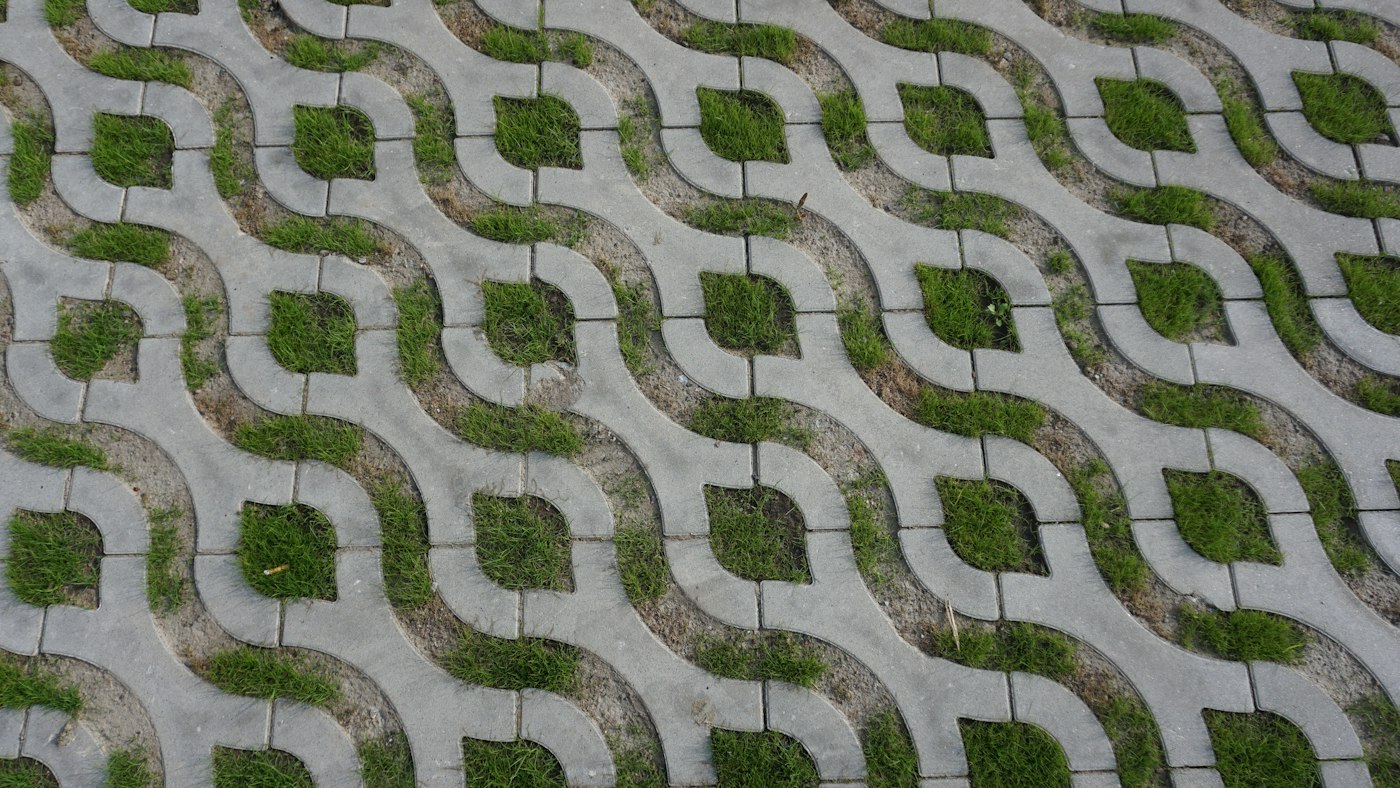
A path with grass between concrete units can suggest that water has somewhere to go. The photograph alone cannot show the layers underneath or establish how the installed system performs. Before choosing permeable paving for a courtyard or driveway, ask for the whole drainage arrangement to be explained.
Melbourne Water describes porous paving as allowing water into a subsurface system, from which it can infiltrate the ground or pass through a filtered drainage arrangement. It identifies different surface types, including grid systems with planted or filled openings. The visible paving is therefore one part of the design.
Our raingarden guide introduces another way planting and drainage can work together. Neither approach should be selected from appearance alone.
Ask for a drawing of the layers
Request a section drawing showing the proposed surface, the material beneath it, the underlying ground and any drainage connection. Ask the designer to trace a drop of rain through that drawing. Where does it enter? Where is it held? Where does it eventually leave?
Then ask what happens when more water arrives than the system can accept. An overflow route should be part of the explanation, rather than an unanswered question left until the first heavy rainfall.
This is a way to review a proposal, not a construction specification. Layer depths, materials and connections need to be designed for the actual site and use. Two installations with the same surface product may need different arrangements underneath.
Match the proposal to the site
Melbourne Water’s guidance identifies limitations involving site slope, traffic, clogging and potential groundwater contamination. Those considerations are reasons to ask about suitability before assuming a permeable surface is automatically the best choice.
Tell the designer whether the area is for pedestrians, parked vehicles or another use, and identify adjacent buildings and landscape areas that must be protected. Ask what information about the ground and existing drainage is needed before the design can be confirmed.
For a pedestrian route, discuss the finished surface as well as its drainage role. Explain the mobility equipment, furniture or wheeled bins that will use it. Openings that look attractive in a product photograph may not suit every everyday task.
Make maintenance part of the purchase
Ask what can block the openings, how the surface should be cleaned and what signs indicate that it needs attention. Get the maintenance advice for the proposed product and installation in writing, including who to contact if water begins to pond.
Think about nearby sources of soil, leaves and loose material when comparing positions. Ask whether the surrounding landscape design will help keep those materials out of the paving or make upkeep more demanding. Avoid treating “permeable” as another word for maintenance-free.
Before accepting a quotation, check that it describes more than the surface brand and colour. You should be able to identify the intended use, the subsurface arrangement, the destination of excess water and the maintenance responsibilities. Those answers make a much better basis for comparison than choosing between two photographs of attractive paths.