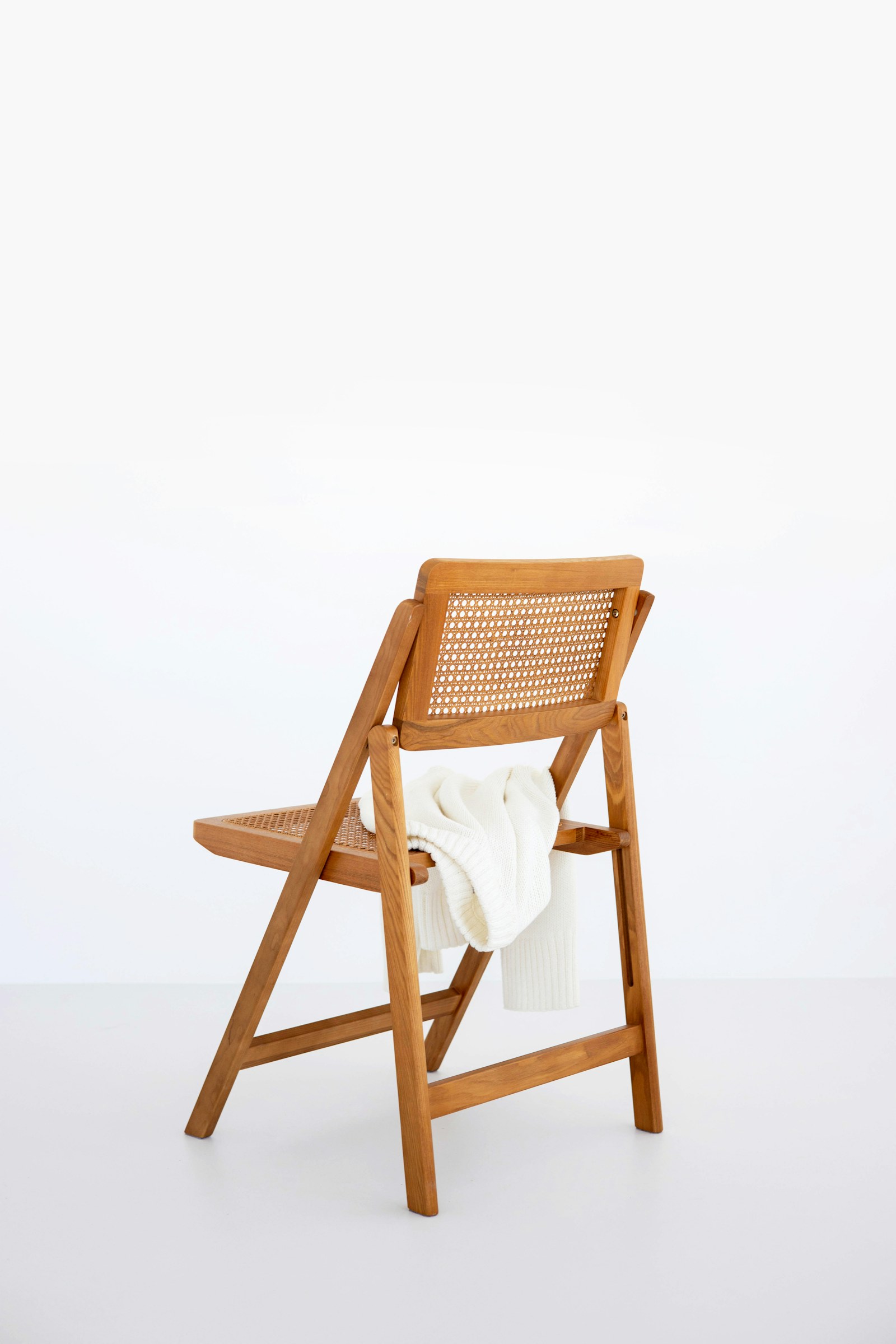
A piece of furniture wears in layers
When a favourite chair begins to feel tired, it helps to identify what has actually changed. The fabric may be worn while the frame remains sound. A cushion may have softened while the cover still suits the room. A marked tabletop may need a different response from a damaged joint.
Treating these as separate questions creates more useful options than deciding that the whole object has reached the end of its life.
An Australian example of aftercare
Jardan publishes a reupholstery and refinishing service covering most of its ranges, including selected discontinued models. Its service information also describes replacement inserts, timber and marble refinishing, accidental-damage repairs and replacement components, subject to assessment and availability.
The important point is the specificity. These are different types of work, each requiring a different assessment. A general promise of longevity becomes more useful when a maker explains what can actually be maintained or replaced.
Give the assessor a clear account
Before requesting a quote, gather the model name if known, approximate purchase date, dimensions and photographs of both the complete piece and the affected area. Explain whether the issue is appearance, comfort, movement or another change you have noticed.
Ask what the proposed work includes. New fabric, filling, structural work, collection and return delivery are separate parts of a job. A clear written scope makes it easier to compare the cost and disruption with the alternatives.
Consider the next period of use
The right repair depends partly on what the furniture needs to do next. A chair moving into daily use may call for a different fabric choice from one kept in a quiet room. A finish should suit the way the surface will be cleaned and handled.
It is also worth asking which parts of the original character can be retained. Patina, small variations and familiar proportions may be part of the reason to keep a piece. Refinishing does not have to mean making every sign of age disappear.
Bring aftercare into the next purchase
When buying something new, ask the same questions in advance: can covers or inserts be replaced, are components available, and who assesses repairs? Keep the model and care information with the purchase record.
Jardan is used here as a documented example, not as a tested or exclusive recommendation. Service scope and availability were checked in September 2026 and should be confirmed for the particular piece. The cover chair is illustrative and is not identified as a Jardan design.