Appearance is only the beginning
A material can look natural without revealing much about how it was made. A smooth panel may contain agricultural fibres; a familiar chair shape may use a newly developed composite. Colour and texture provide an introduction, but composition, construction and care tell a fuller story.
The National Gallery of Victoria’s Plant Life: The Nature of Design offers useful examples because its object records identify makers and materials in detail.
Paper as structure
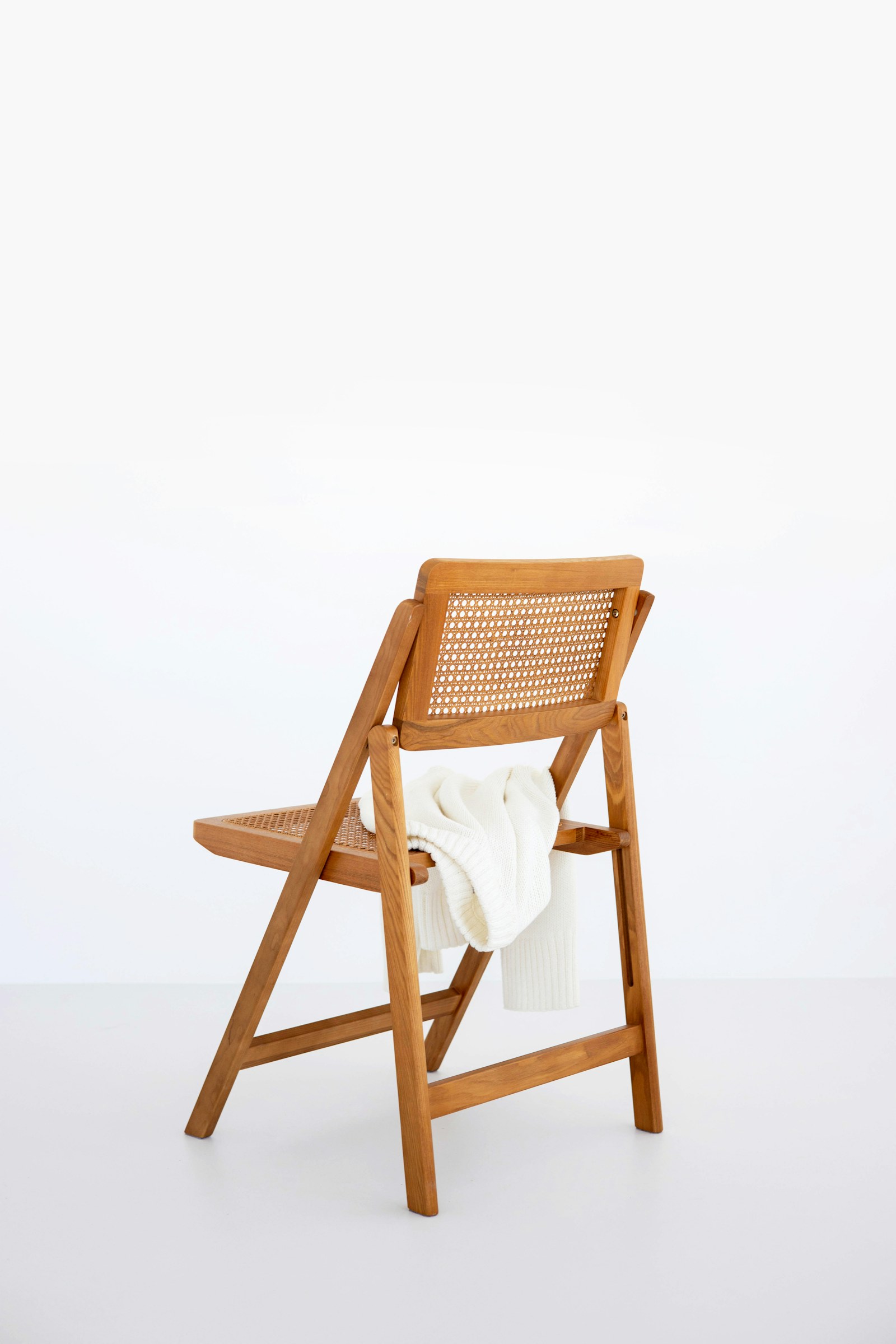
The exhibition documentation includes the Catifa Carta PaperShell chair, associated with Lievore Altherr Molina, Arper and PaperShell. Its shell is described as kraft paper from wood-production waste bonded with a natural resin, on a steel base.
The example changes the question from whether paper looks suitable for furniture to how it is combined and formed. A material familiar from packaging or writing can take on another role through its construction.
One object can contain several material systems
Joris Laarman Lab’s Ply loop chair brings together veneers, hemp fibre, plant-based resin and other finishes. The NGV record also includes a mycelium wildfire jacket developed by a team spanning design and material science.
These examples deserve to be read at their actual stage of development. An exhibition object or research prototype is not automatically a widely available product, and a proposed application is not a performance certification.
Ask what happens during use
The practical questions begin after identifying the ingredients. How does the surface respond to cleaning? Which part carries the load? Can a worn component be replaced? What happens if moisture reaches an edge?
A buyer does not need to become a materials scientist to ask for this information. A clear specification and a care document can turn an appealing story into something that can be evaluated against a real use.
Think about the joins and the ending
A plant-derived component may be combined with metal, coatings or adhesives. The complete object matters when considering repair or what can happen at the end of its useful life. A single ingredient does not establish that the whole product can be composted or recycled through a local service.
One useful way to compare options is to make three short notes: what is known about the composition, what is known about maintenance, and what remains unanswered. This keeps the conversation grounded in the object rather than a broad environmental adjective.
This article draws on NGV’s published object documentation, checked in September 2026. It is an editorial interpretation of material questions, not a claim that the featured objects have undergone independent performance testing by this publication.