More than a gallery shop
A finished object rarely tells you how its maker gained access to a kiln, workshop, specialist advice or a first audience. JamFactory, the South Australian not-for-profit founded in 1973, makes those supporting structures unusually visible. Its Adelaide operation brings together ceramics, glass, furniture, and jewellery and metal studios, alongside exhibitions and retail. It also has a site at Seppeltsfield in the Barossa.
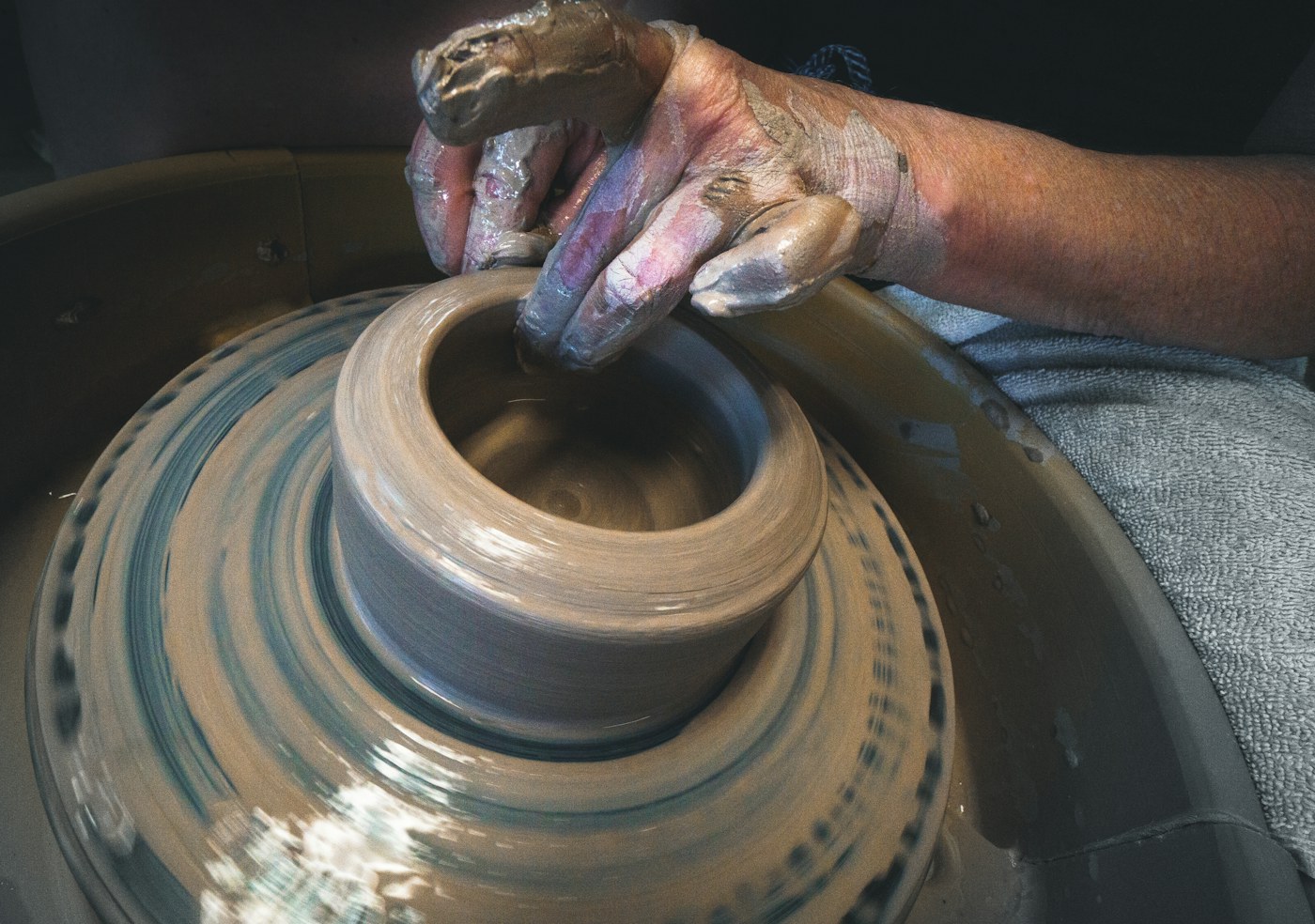
That combination is useful to understand even if you arrive simply to look at a bowl or chair. The object belongs to a wider system of learning, production and exchange.
Skill needs somewhere to develop
JamFactory’s two-year associate program combines technical development with the business side of a creative practice. Its facilities also support work beyond that program. The underlying lesson is practical: an emerging maker needs both the ability to produce an object and a way to sustain the activity.
A workshop can provide equipment that would be difficult to own alone. Working near other disciplines can also change a question. A ceramic form might prompt a conversation about lighting; a furniture detail might lead back to metalwork. That is an interpretation of the model, not a claim that every object follows the same collaborative path.
Look at the decisions in the object
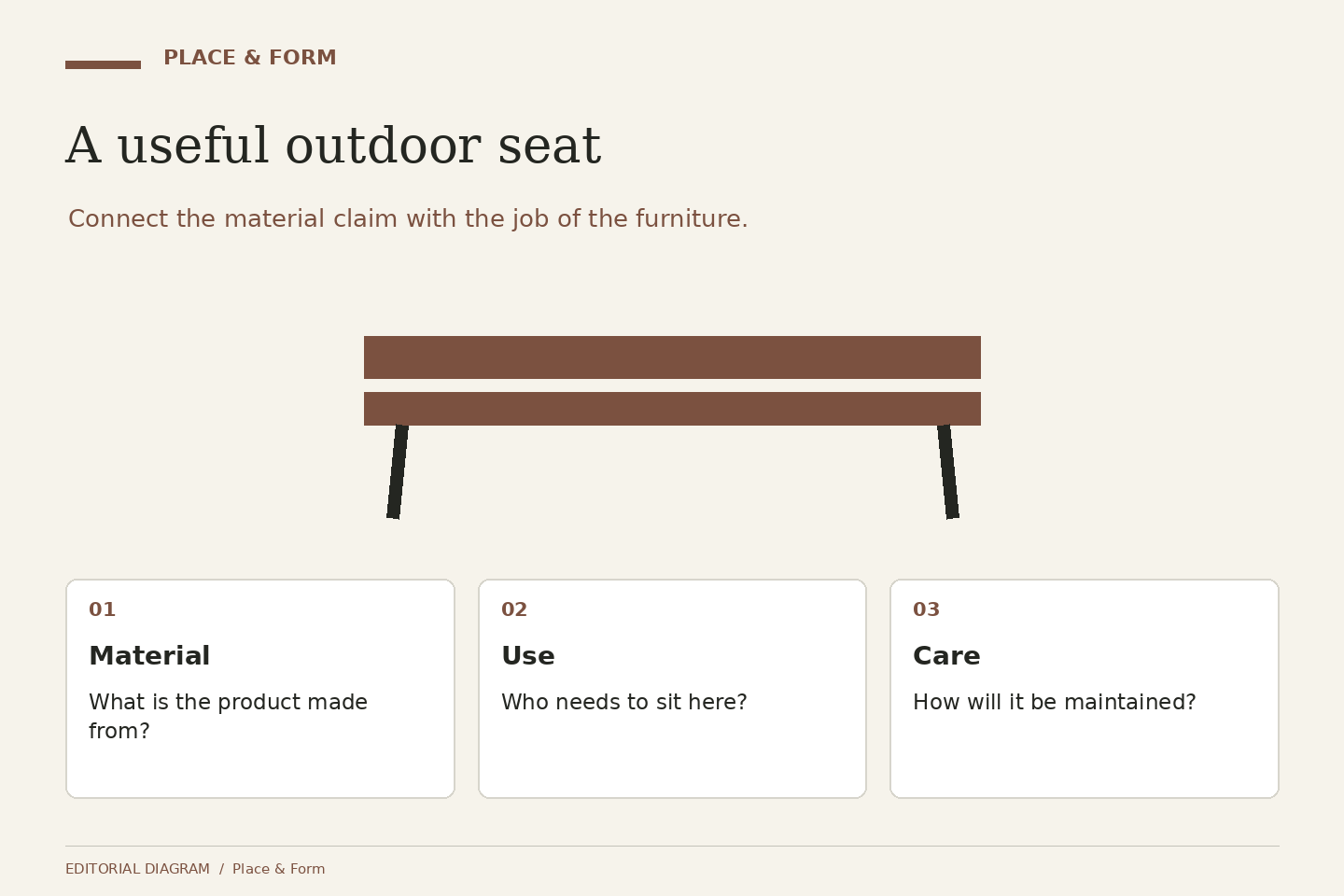
When viewing work, begin with one detail you can inspect: a join, rim, handle, surface or edge. Ask what that detail does for the person using it. Is a handle comfortable? Does the finish invite touch? How does the object sit on a table or meet the floor?
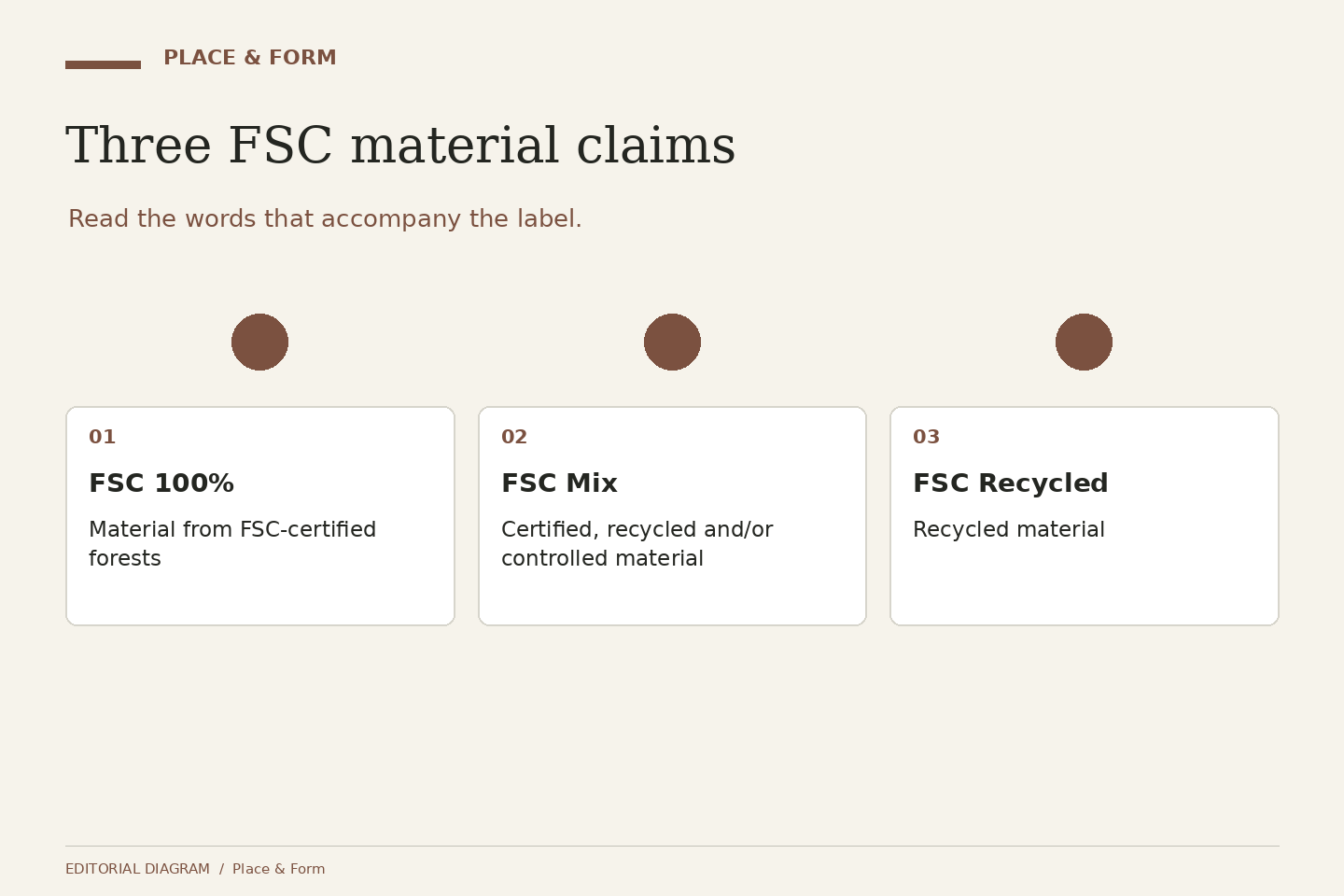
The maker’s name and material description then become useful evidence, rather than decorative labels. Ask whether the piece is one of a series, how variation occurs and what care it needs. Those questions make a gallery visit more rewarding without requiring a specialist vocabulary.
Follow a maker beyond one purchase
Exhibitions, talks and studio activity can help you follow a practice over time. Check JamFactory’s current program before travelling, since an organisation with several functions does not necessarily offer unrestricted access to every working space.
If you buy, keep the maker and care information with the object. If you do not, note the work that held your attention and look for what the maker produces next. The lasting value of a place like JamFactory is partly this continuity: a relationship with making that can extend beyond a single transaction.