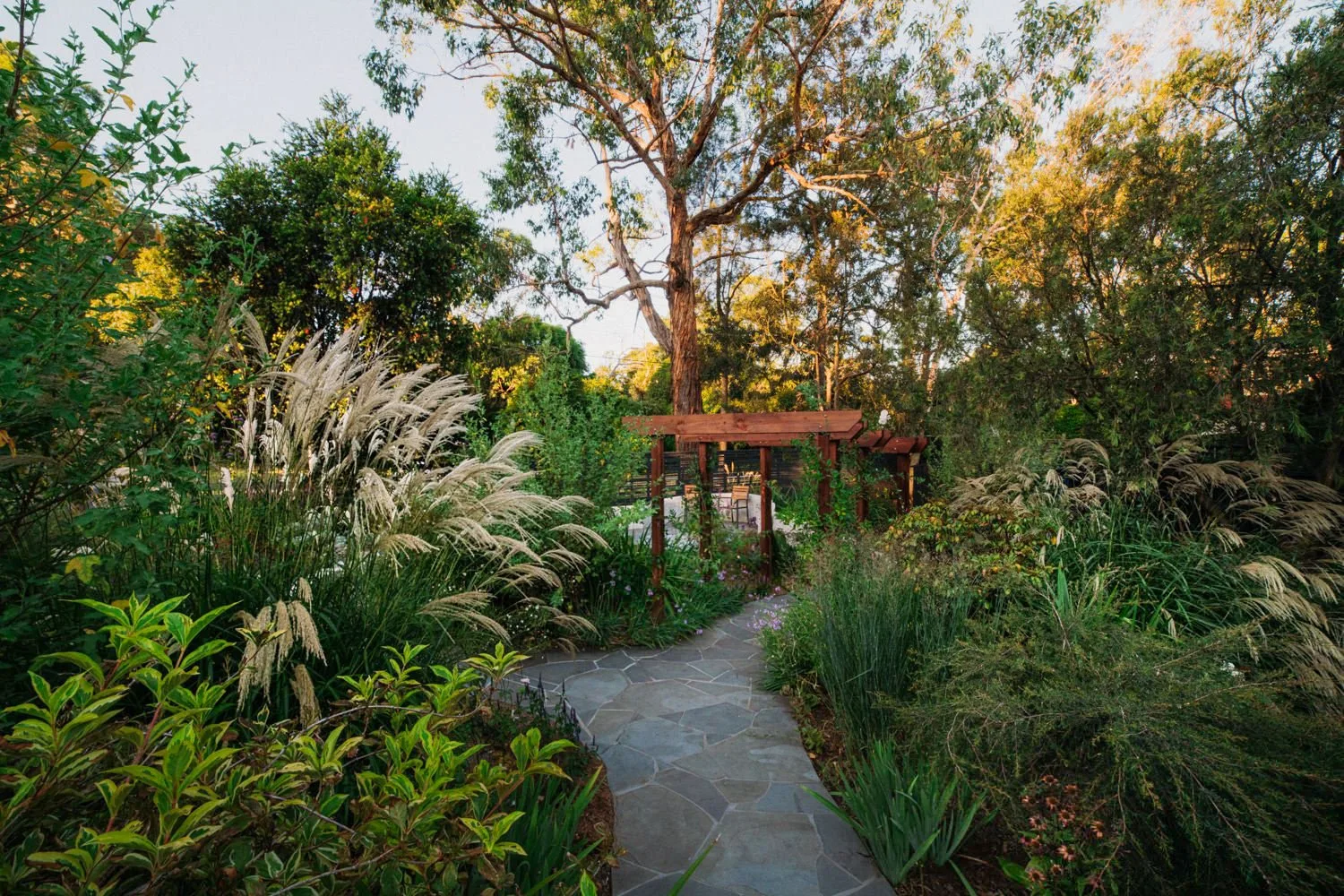
A path that disappears
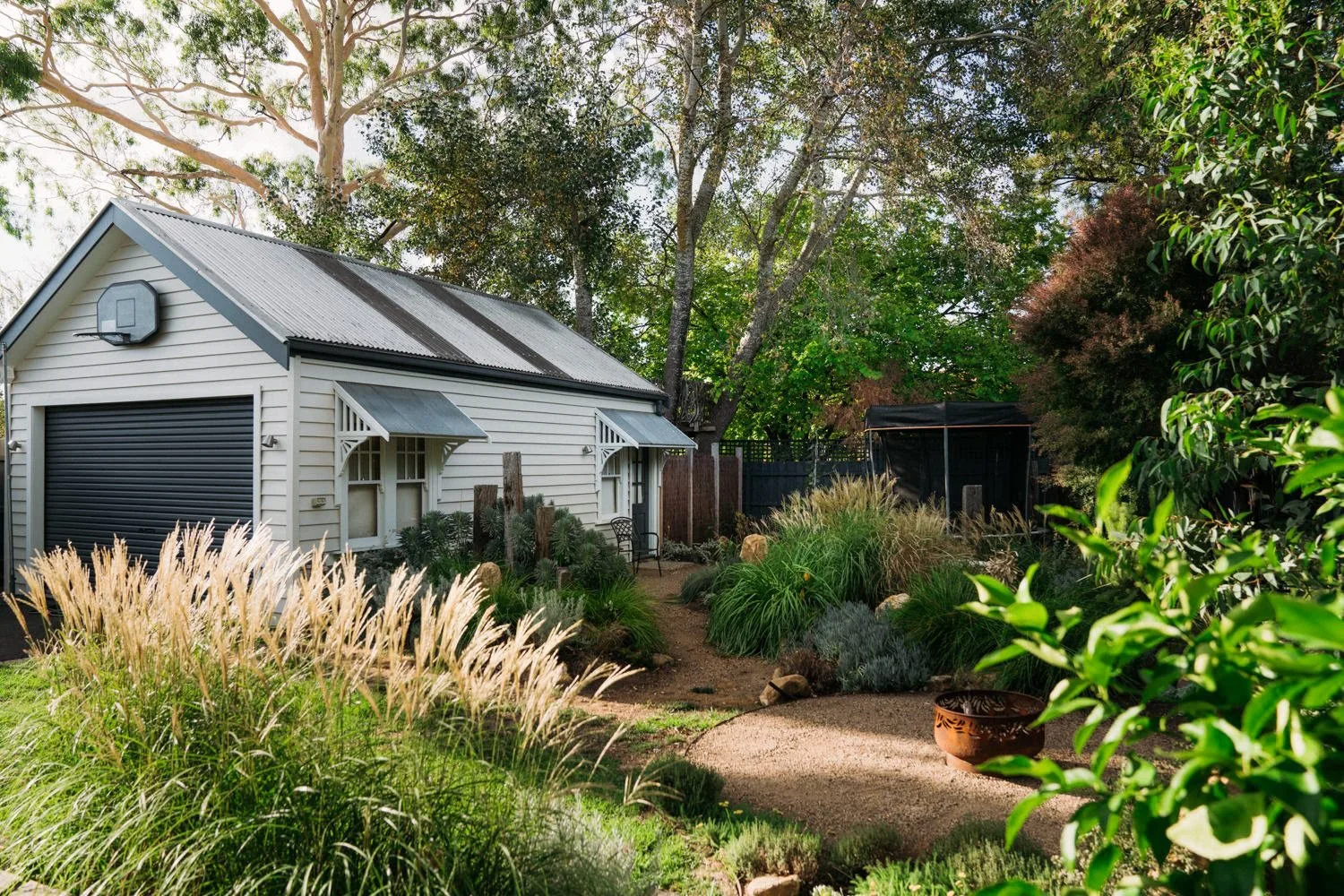
The path through this Heathmont garden is visible in fragments. Pale paving curves between tall grasses, with foliage leaning into the route from either side. The destination is not immediately obvious. The garden’s depth comes from that interrupted view: each bend reveals another layer rather than the whole site at once.
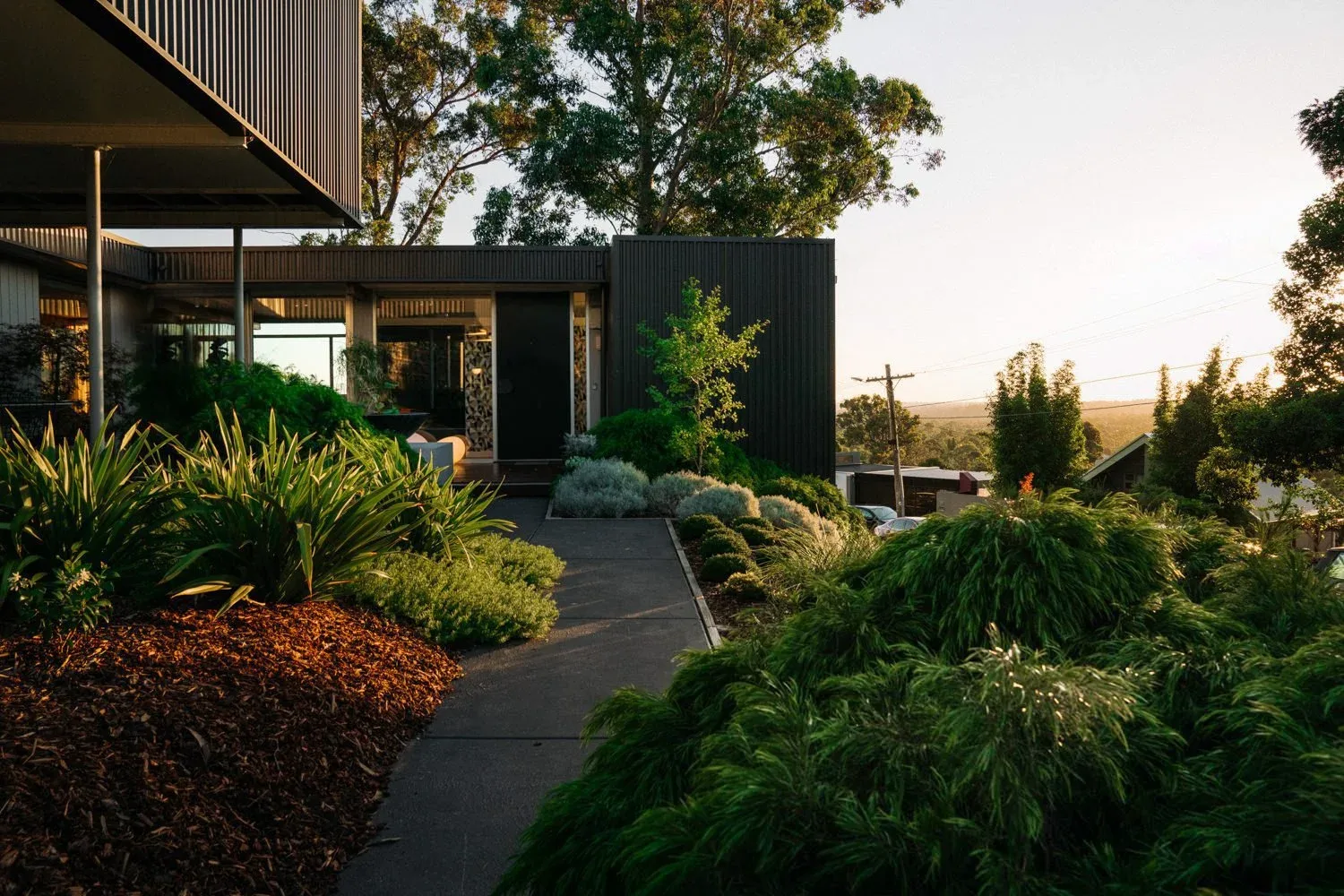
In Jaccob McKay’s photographs, the paths are the clearest lines in a much looser composition. They divide and reconnect among the planting, supplying a structure that can be followed even when leaves obscure parts of it. The result feels generous, despite the close arrangement of its spaces.
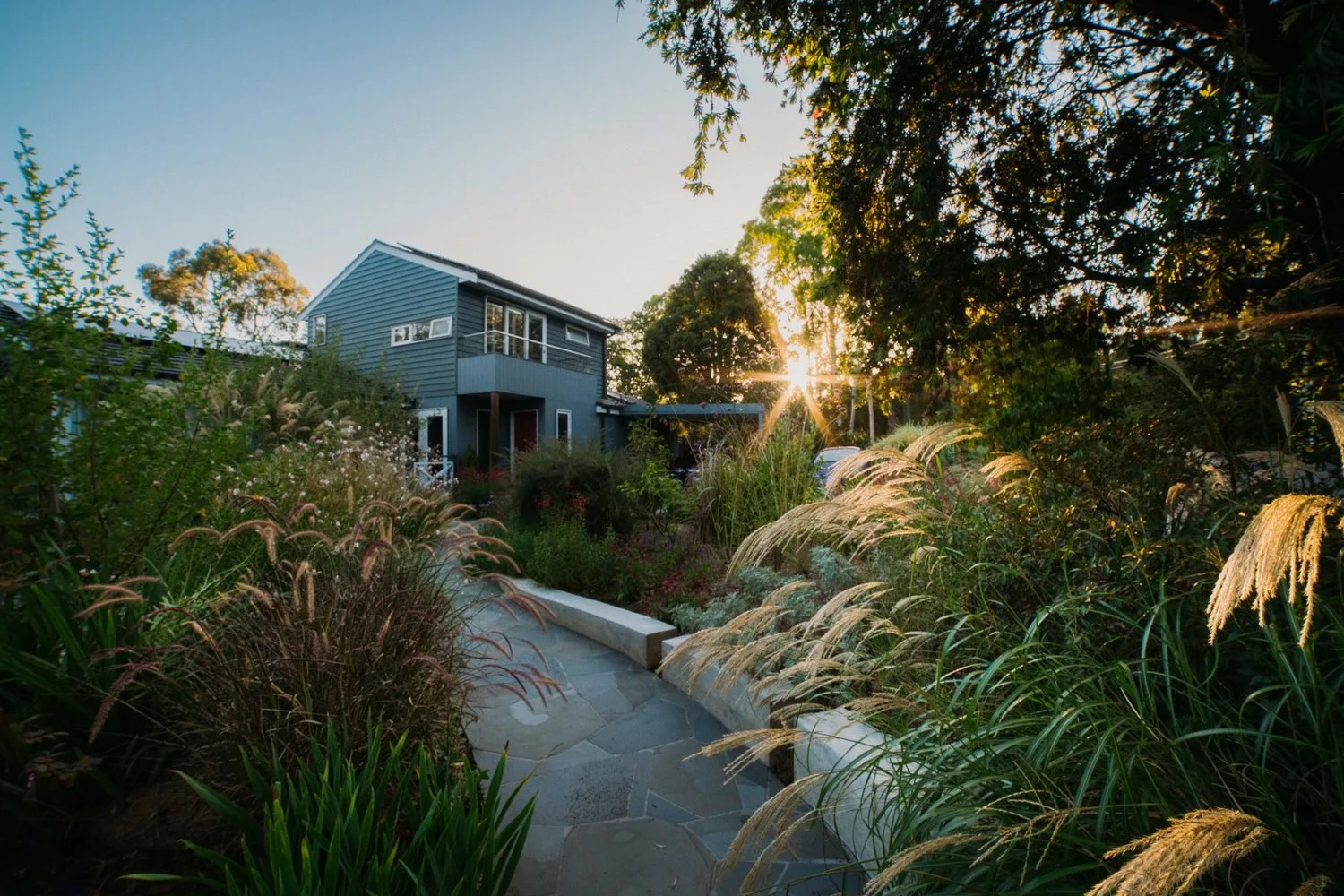
Light held in the grasses
Low light catches the fine edges of grasses and flower heads. Their pale tips stand out against the darker mass of shrubs, turning the garden into a field of small contrasts. The effect depends on preserving both brightness and shadow; when one part glows, another part has to remain quiet.
The photographs also show the house at the edge of the landscape. Its straight roofline and wall planes help establish the garden’s scale, but they are not always central. The planting is given enough space in the frame to become the main subject rather than an accessory to the architecture.
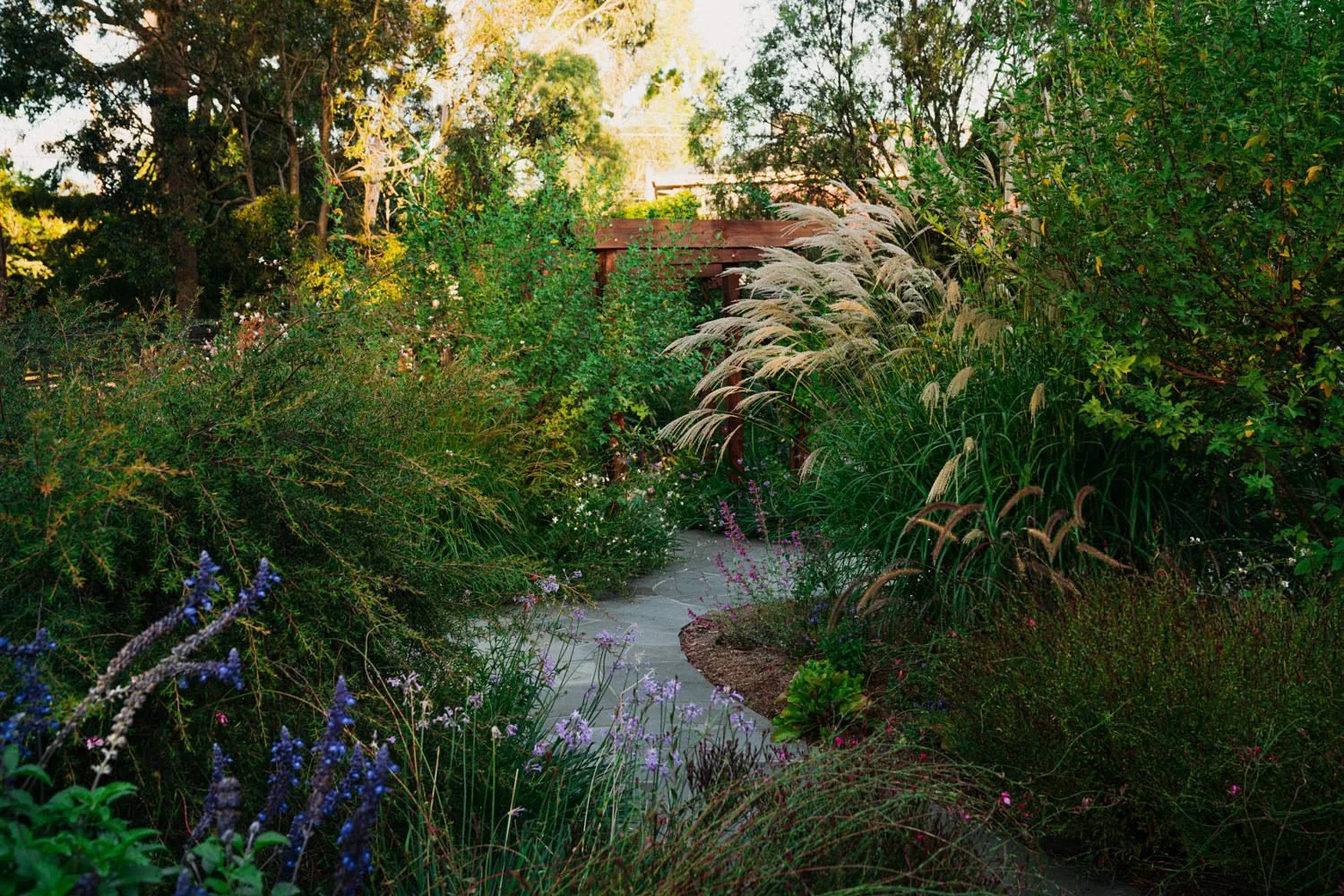
A garden made of transitions
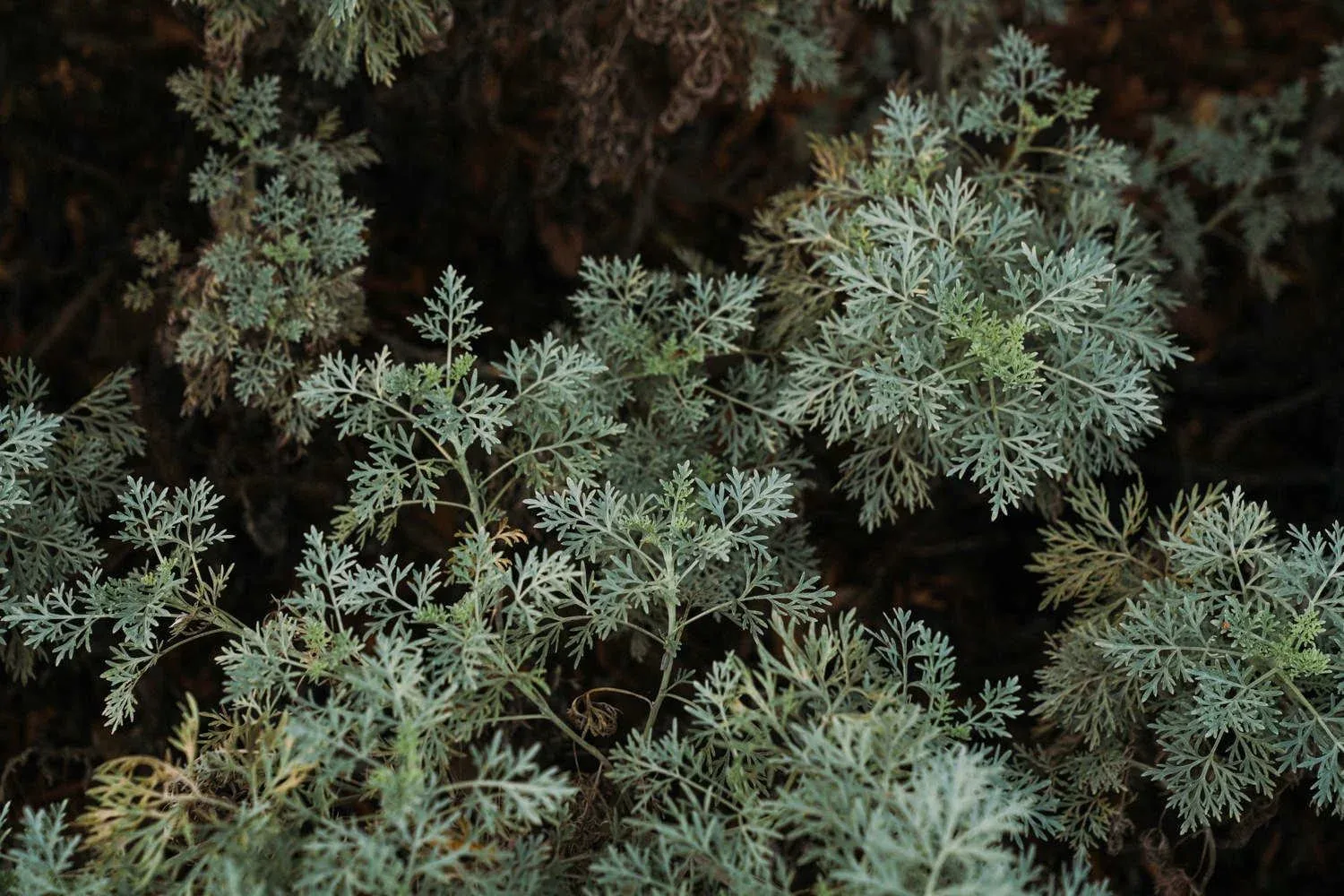
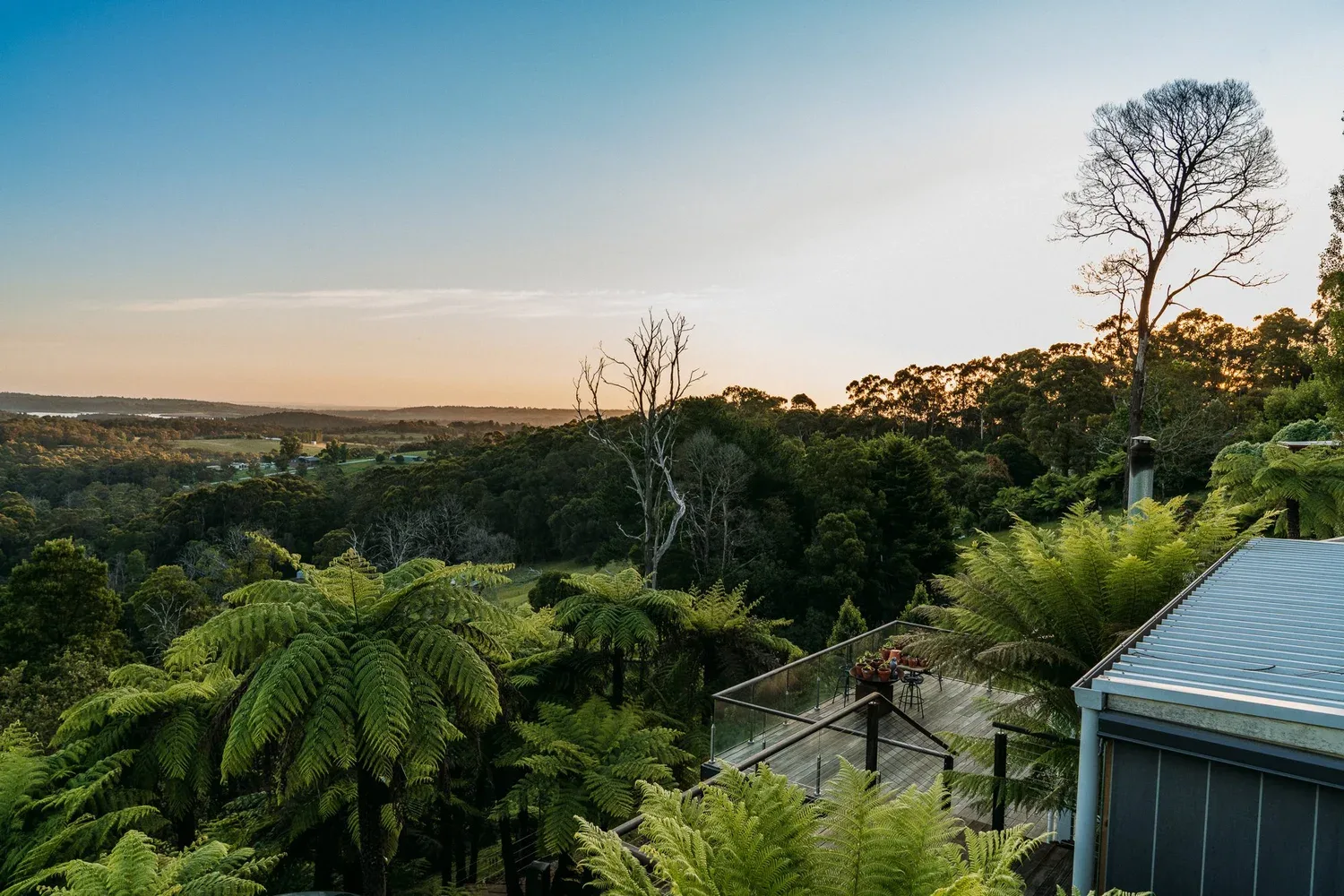
A broader view reveals several textures close together: broad leaves, fine blades, rounded shrubs and taller branching forms. The richness comes from their differences. The path moves through these changes, creating a sense of passage without requiring a dramatic monument or a single dominant feature.
The Heathmont garden collection, photographed for Living Senses Garden Design, records a landscape whose character lies in transitions. Dense and open, light and dark, cultivated route and overflowing edge all coexist. It is a garden that becomes more interesting as the eye moves through it.