An object has more than one kind of value
A handmade vessel can be valued for its shape, the way it feels in use, the process behind it or a connection with the person who made it. Those qualities are related, but they are not interchangeable. A compelling story will not tell you whether a bowl suits the way you intend to use it.
Start by deciding what draws you to the piece. That makes it easier to ask useful questions and avoids turning every object into a comparison based on price alone.
Use a directory as a beginning
Craft Victoria brings contemporary makers into view through exhibitions, stories, a maker directory and its Melbourne presence at Watson Place. It is a useful route beyond the small circle of names that repeatedly appear in a social feed.
Move from the organisation’s introduction to the maker’s own account. Look for named materials, a description of process and a clear credit for the person or studio responsible. A directory can help you discover someone; it does not replace the details for a particular object.
Understand the kind of work being offered
A one-off piece, a small edition and a repeatable studio range imply different relationships between consistency and variation. Ask which applies. If ordering from a photograph, find out whether the image shows the exact item or an example from the range.
Variation may be a valued part of handmade work. It is still useful to know which dimensions, colours and details can change, especially when buying a pair or adding to an existing collection.
Match the object to its intended use
For functional ceramics, ask the maker about the specific piece’s intended use and care. A sculptural vessel and an everyday food vessel should not be assumed to have the same requirements. For textiles, consider cleaning and exposure to light. For furniture, ask about the finish, joins and availability of repair.
These questions can deepen the appreciation of the work. They make the maker’s decisions more visible and help the object find a suitable place in daily life.
Keep the provenance with the piece
Save the maker’s name, title where supplied, material description, purchase date and care information. If a work is a gift, pass those details on with it. They are often more useful over time than the promotional language that first introduced the object.
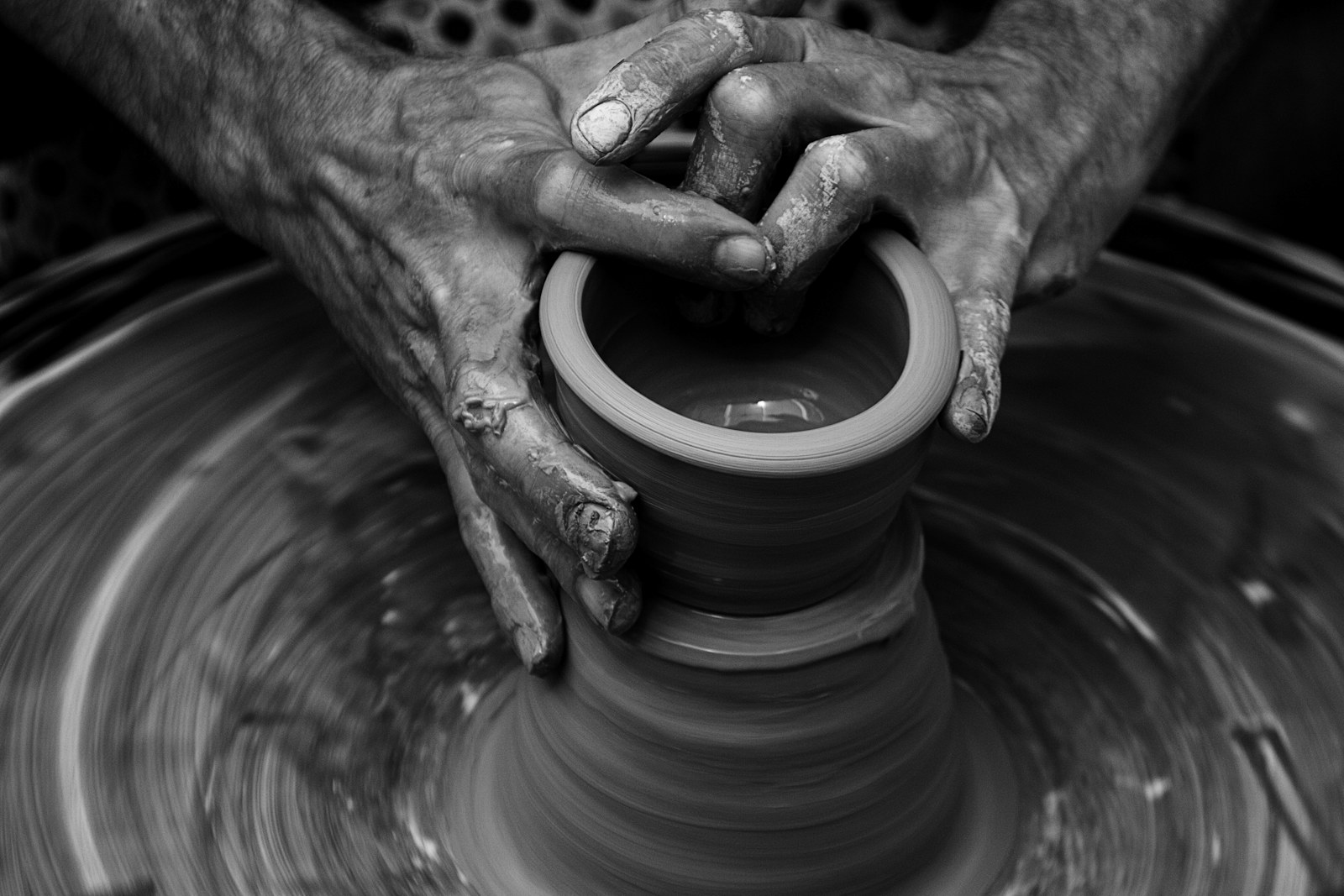
The goal is a considered purchase with a traceable origin and a realistic understanding of use. This guide is based on Craft Victoria’s public resources and editorial buying considerations, checked in September 2026. The cover photograph illustrates pottery making and does not identify a Craft Victoria member.