Clay at another scale
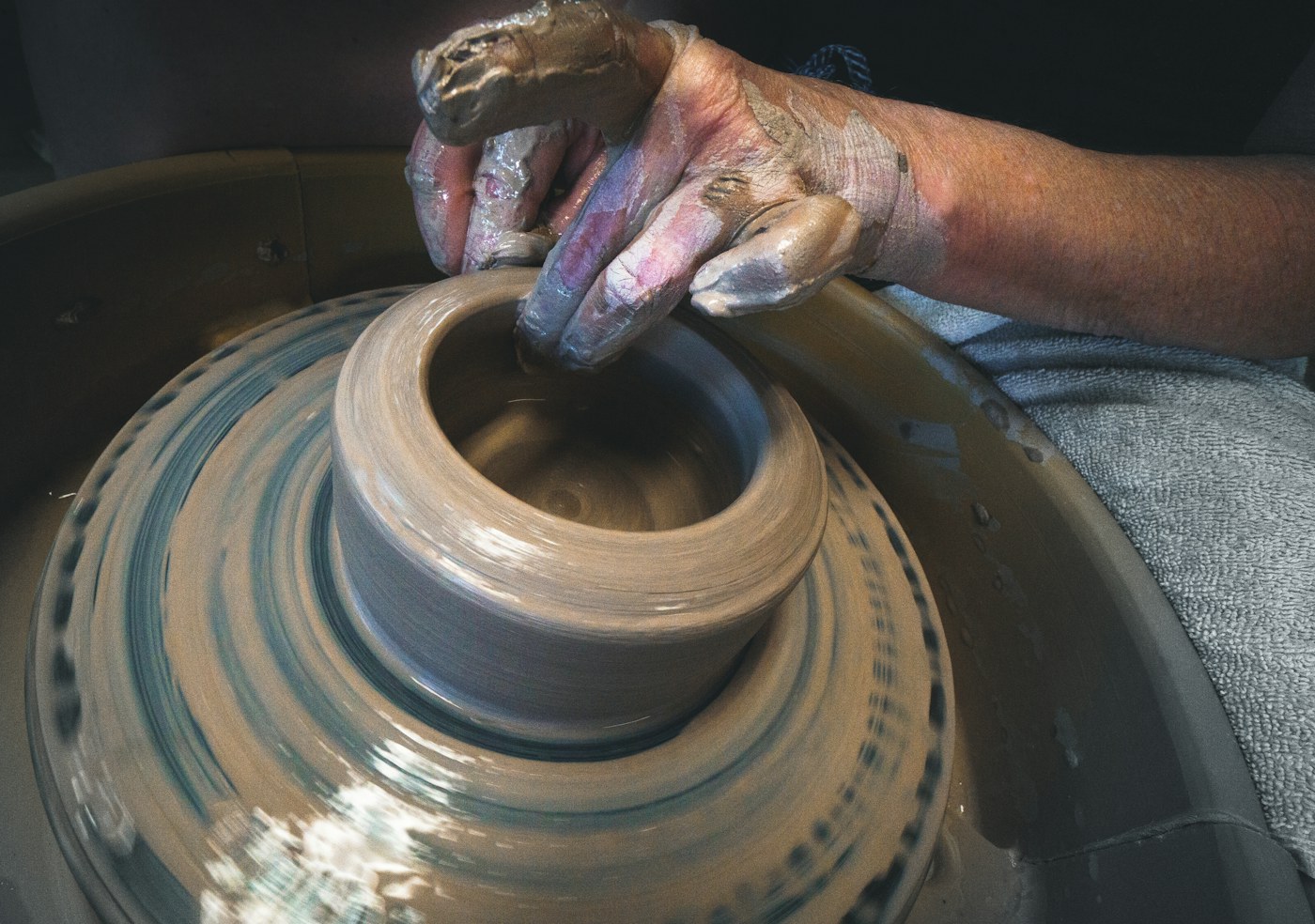
Ceramics are easy to associate with cups, bowls and vessels. Anchor Ceramics, led by Bruce Rowe and Claire Hatch, works across lighting, hardware and furniture as well as material research. Its studio description brings conventional ceramic techniques together with digital tools and other methods. Rowe designs the product ranges, which are made collectively.
This broader application changes the questions we ask of clay. A light fitting affects a room even when nobody touches it; a handle is encountered repeatedly by the hand.
Surface carries information
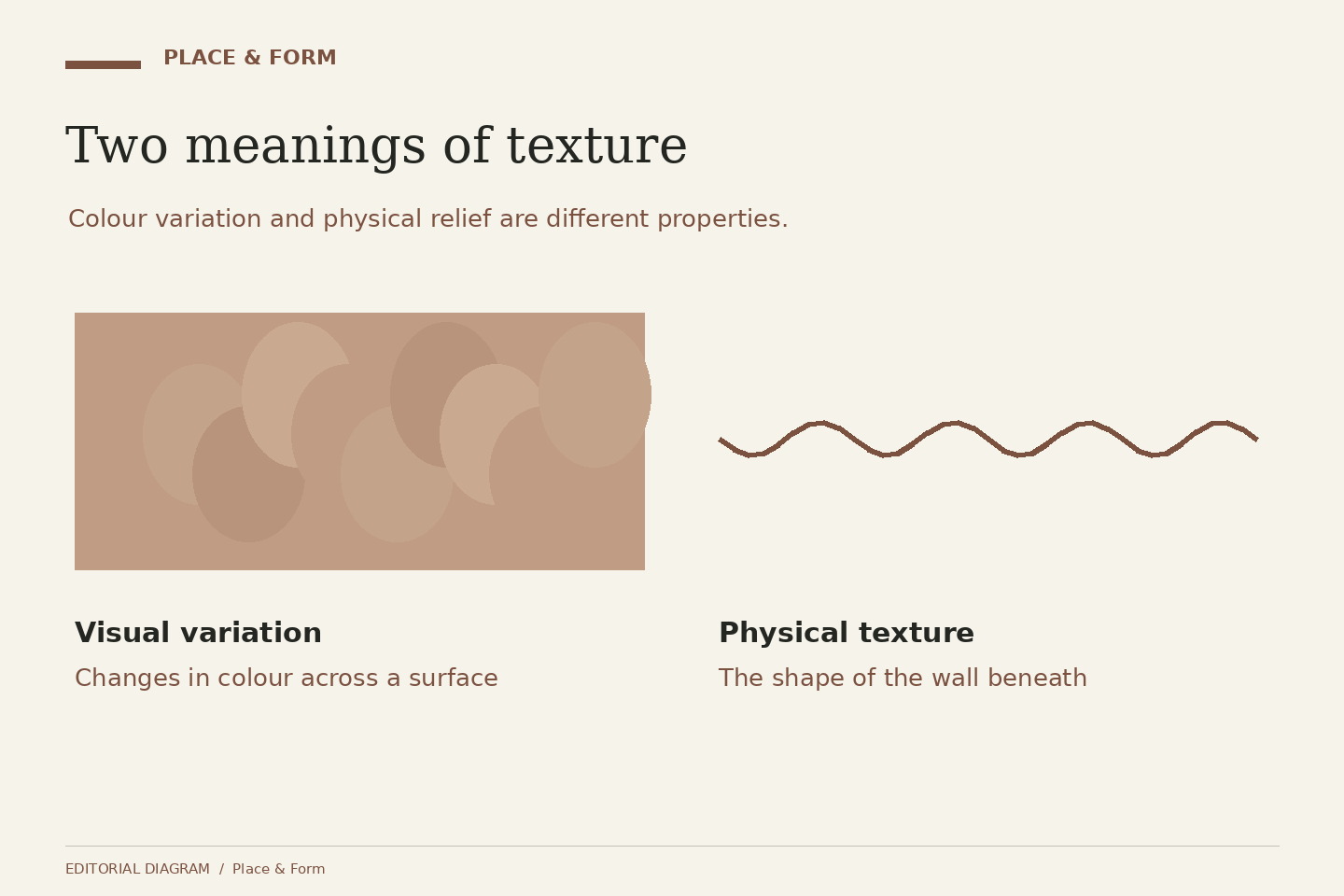
Anchor describes clay bodies and glazes as central to the character of its products. For a person specifying an object, the useful distinction is between the colour seen in a photograph and the material experienced at close range. A surface can catch side light, soften an edge or make a small variation visible across a repeated group.
Ask to see a physical sample where one is available. Compare it with the surrounding timber, stone, paint or fabric in the actual room. A small sample under showroom lighting cannot settle every question, but it can expose assumptions that a screen leaves untouched.
Repetition makes variation matter
One ceramic detail may be read as an object. Several repeated through a kitchen, hallway or commercial space become a rhythm. Before ordering a group, ask how dimensions and finishes vary, which variations are expected and how replacements are handled.
Those are especially useful questions for handmade work. They allow the designer and maker to agree on the intended character rather than discovering different expectations during installation. Technical suitability still belongs to the specific product: consult the relevant specifications, fixing requirements and qualified installer where necessary.
Give the material a job
A strong material choice does more than add a fashionable texture. Decide what the ceramic element contributes: a place for the hand, a change in light, a quiet repeated detail or a focal point. Then let nearby materials support that role.
Anchor’s published research emphasis makes it a useful example of a practice that develops applications through making. For a buyer or designer, the corresponding discipline is to stay curious about process while remaining precise about use. The room benefits when those two forms of attention meet.